Building Your Dental Practice’s Digital Success: A Guide to Website Development
- Dental Fast
- Dec 19, 2025
- 6 min read

As a dental practice owner, you know that patient care goes beyond the dental chair. In today’s digital-first world, your website is often the first place new patients will learn about your services, your team, and your practice philosophy. But here's the catch: if your website isn't user-friendly, responsive, or optimized for search engines, you're missing out on potential patients. The need for a professional, well-optimized website for your dental practice has never been more important.
If you’ve been considering creating or redesigning your website but aren’t sure where to start, this guide will walk you through the essentials of dental practice website development. We’ll explore the critical elements of building a website that not only looks good but functions seamlessly to attract new patients and streamline your practice. Whether you’re starting from scratch or updating an existing site, you’ll walk away with actionable insights on how to make the most of your dental web development investment.
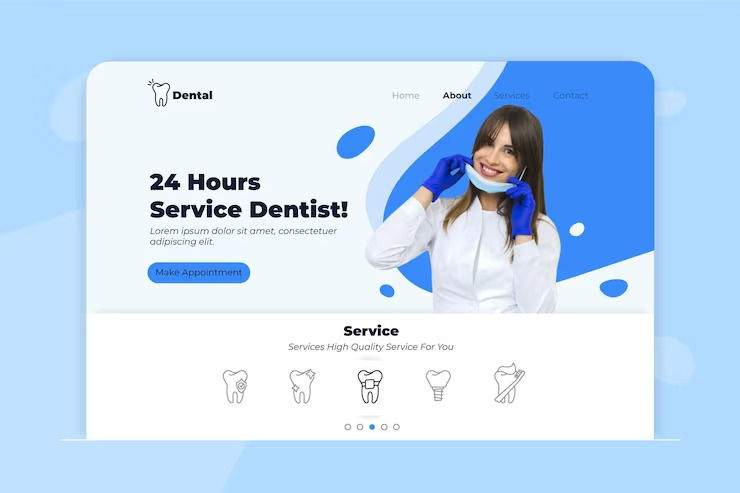
Why Your Dental Website is More Important Than Ever
In the past, a dental practice relied heavily on word-of-mouth referrals and community trust. While those factors are still important, most patients now start their search for a dentist online. According to a survey by the American Dental Association, over 75% of patients use the internet to search for healthcare providers. If your practice’s website doesn’t offer a seamless, informative, and engaging experience, potential patients might move on to the next option.
Think about it: if you were searching for a dentist, wouldn’t you prefer a site that not only lists services but offers easy booking, a clear explanation of treatments, and access to patient reviews? This is where dental practice website development can make a huge difference. A strong online presence helps you build trust, establish authority in your field, and make it easier for patients to choose your practice.
Key Elements of Successful Dental Website Development
When working with a dental website developer, you want to make sure your site includes the following elements to be truly effective. These are the building blocks of a website that will attract patients, engage them, and help them easily navigate their way to an appointment.
1. Responsive Design
Your website must look great on all devices—whether that’s a desktop, tablet, or smartphone. Responsive design ensures that your website automatically adjusts to fit different screen sizes and resolutions. With more patients searching for dental services on mobile devices, it’s crucial that your site offers a seamless, mobile-friendly experience.
2. User-Friendly Navigation
A well-organized website ensures visitors can easily find the information they need. The last thing you want is for potential patients to get frustrated and leave because they couldn’t find the information they were looking for. Organize your site into clear sections: services, about us, contact information, patient resources, etc. Keep the navigation simple, intuitive, and straightforward.
3. Online Appointment Scheduling
An online appointment scheduler is no longer optional—it’s expected. With a clear call-to-action on your homepage, you can make it easy for patients to book their visits directly through your website. The convenience of booking online, at any time of day, makes the patient experience smoother and can improve your conversion rates. It also reduces administrative work by allowing patients to book or reschedule without needing to call your office.
4. SEO Optimization
Even the most beautiful website will fail if it’s not optimized for search engines. SEO (Search Engine Optimization) is the process of ensuring your website ranks higher on Google for relevant keywords, such as “best dentist in [city]” or “dental implants near me.” A dental website developer should ensure your site is optimized for local search by focusing on local SEO elements such as location-based keywords, Google My Business integration, and geo-targeted content.
5. Clear Calls-to-Action (CTAs)
Your website should have clear, visible calls-to-action that guide potential patients to take the next step—whether that’s booking an appointment, signing up for your newsletter, or contacting you for more information. Effective CTAs like “Schedule Your Appointment Today” or “Get in Touch Now” will encourage patients to engage with your practice and take action.
6. Patient Testimonials and Reviews
A strong reputation is critical in the dental field. Positive reviews and patient testimonials provide social proof and help build trust. A dedicated testimonial section on your website, with authentic reviews and before/after photos of treatments, can provide credibility and reassure new patients that they are in good hands.
7. Service Pages with Detailed Information
Each of your services should have its own dedicated page with detailed information on what the service entails, why it’s important, and how it benefits the patient. Whether it’s general dentistry, cosmetic dentistry, or specialized treatments like orthodontics or implants, clear, informative pages can help your patients make informed decisions.
The Role of a Dental Website Developer in Your Practice’s Growth
Choosing the right dental website development team is one of the most important decisions you’ll make. A skilled dental website developer doesn’t just design aesthetically pleasing websites—they focus on creating a digital experience that will support your practice’s goals, from attracting new patients to improving office efficiency. Here are a few reasons why working with a professional developer is crucial:
1. Tailored Solutions for Your Practice
A professional dental web development team understands that every dental practice is unique. They’ll work with you to understand your practice’s needs, values, and goals, and then develop a custom website that reflects your specific brand identity. This could include incorporating your practice’s colors, logo, and overall tone to create a cohesive digital presence.
2. Ongoing Support and Maintenance
Your website isn’t a “set it and forget it” tool. It requires ongoing maintenance and updates to keep it running smoothly, ensuring it remains secure, functional, and up-to-date. A professional developer will offer ongoing support, including routine updates, security checks, and troubleshooting to make sure everything is working as it should.
3. Integrating Advanced Features
From online appointment booking to payment processing and patient portals, a dental website developer can integrate a variety of tools into your website that make your practice more efficient and provide a better patient experience. These tools not only help streamline office operations but also improve patient engagement and satisfaction.
4. Optimized for Conversions
A professional developer will ensure that your website is optimized for conversion. This means designing your site in a way that encourages visitors to take action—whether that’s booking an appointment, filling out a contact form, or exploring your services. They’ll also test different elements to find out what works best for your audience.
5. Local SEO Focus
An experienced developer understands the importance of local SEO for dental practices. They will optimize your site’s content and structure to make sure it ranks well in local searches. This includes optimizing your practice's Google My Business listing, local citations, and adding location-based content to your site.
How to Choose the Right Dental Website Developer
When searching for a dental website developer, there are several factors to consider:
1. Industry Experience
Look for a developer with experience in the dental industry. This ensures they understand the unique needs of your practice, from HIPAA compliance to specialized features like appointment scheduling.
2. Portfolio of Dental Websites
Review their portfolio to ensure they have experience creating custom dental websites. Check for diversity in design and functionality, as well as attention to detail and usability.
3. SEO and Marketing Expertise
Choose a developer who understands SEO and digital marketing. A website is only as good as its ability to attract visitors, and a developer who knows how to optimize your site for search engines will be crucial to your success.
4. Customer Support and Maintenance
Your website will need ongoing support, especially as technology and patient needs evolve. Look for a developer who offers ongoing maintenance and customer support after the website is launched.
5. Pricing Transparency
Ensure that the developer offers transparent pricing with no hidden fees. It’s important to have a clear understanding of the cost of development, maintenance, and any additional services.
Conclusion
Your dental practice’s website is one of your most valuable assets. It’s often the first impression potential patients have of your practice, and it can significantly impact your ability to attract and retain patients. By investing in dental practice website development, you can create a professional, user-friendly site that not only showcases your services but also builds trust, improves patient engagement, and drives more bookings.
Working with a professional dental website developer ensures that your website is not only aesthetically pleasing but functional, secure, and optimized for search engines. With the right strategy, your website can be a powerful tool to grow your practice and better serve your patients.
FAQ Section
1. How much does dental website development cost?
The cost of a custom dental website can range from $2,000 to $10,000, depending on the complexity and features you want. It’s important to discuss your needs and budget upfront with your developer.
2. How long does it take to build a dental website? A typical dental website development project can take anywhere from 4 to 8 weeks, depending on the scope and any additional features like e-commerce or custom forms.
3. Can I make changes to my dental website myself?
Yes, many website developers offer user-friendly content management systems (CMS) that allow you to update content, add blog posts, or change images easily.
4. Will my website be mobile-friendly? Yes, mobile optimization is essential for modern websites. A good dental website developer will ensure that your site looks and functions perfectly on all devices
5. Can I integrate online appointment scheduling? Absolutely. Many dental practice website development services include integrating online booking systems, allowing patients to schedule appointments directly from your website.
Comments